Booth to Breakthrough: How to Make Your DIY Project the One Everyone's Talking About at Maker Fairs
You Made the Thing. Now Make It Shine.
Let's be honest: maker fairs are loud, busy, visually chaotic places. On any given Saturday, you're competing for attention with a drone that shoots flames, a kid who built a working pipe organ out of PVC, and a guy in a full Iron Man suit he welded himself. Getting people to stop at your booth—and actually care about what you've made—takes intention.
The good news is that most exhibitors don't put nearly enough thought into presentation, which means a little effort goes a long way. Whether you're a first-timer hoping to get some feedback or a seasoned maker looking to attract investors and press, the principles are pretty much the same.
Start With Your Story, Not Your Specs
This is the single biggest mistake new exhibitors make: they lead with technical details instead of a human story.
Nobody walking by your booth in the first five seconds cares that your project uses a Raspberry Pi 4 with a custom PCB and 3D-printed enclosure. They care about why you made it and what problem it solves—or what pure, ridiculous joy it delivers, if that's the point.
A maker from Austin, Texas who exhibited her custom assistive keyboard at three regional fairs before landing a licensing deal puts it simply: "I stopped explaining how it worked and started explaining who it was for. Once I did that, people cried at my booth. In a good way."
Before you set up a single table, write out your project's story in two sentences. Not the technical story—the human one. Practice saying it out loud until it feels natural. That's your opener.
Booth Design: Make It Impossible to Walk Past
You don't need a professional display setup or a massive budget to build a booth that draws people in. You do need to think about a few key things.
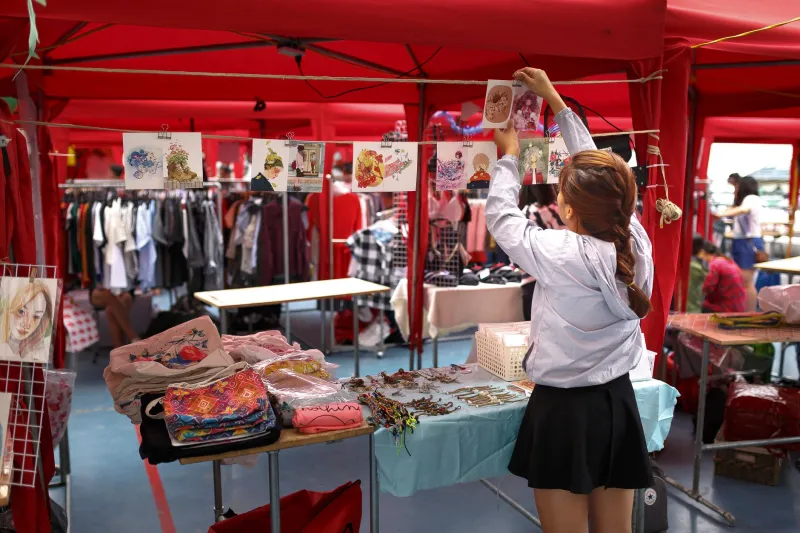
Height and visibility. Most booths are at table level, which means anything you can get up higher—a banner, a vertical display, a working project mounted on a stand—immediately stands out. A 6-foot banner with a clear, bold headline and a single striking image can be made at any print shop for under $50 and will pay for itself in foot traffic.
Live demos over static displays. If your project does something, it needs to be doing that thing when people walk by. A robot sitting still is invisible. A robot moving, blinking, or making noise is a crowd magnet. If your project can't run continuously, set up a loop video showing it in action. Motion draws eyes.
Declutter ruthlessly. The instinct is to show everything you've made and every version of the process. Resist it. One hero project, presented cleanly, beats a table covered in prototypes and printouts every single time. Give people one thing to focus on.
Lighting matters more than you think. Convention halls and fairgrounds are often dim or weirdly lit. A small LED strip or a couple of clip-on lights aimed at your main display can make your booth look dramatically more professional than the one next to you.
Engaging the Crowd: It's a Performance, Not a Lecture
The best exhibitors treat their booth like a stage. That doesn't mean you need to be an extrovert or a natural salesperson—it means being intentional about how you interact with visitors.
Ask questions instead of monologuing. "Have you ever had this problem?" or "What do you think this does?" pulls people into a conversation rather than making them feel like they're getting a product pitch. Curiosity is contagious.
If your project is safe to touch, let people touch it. Interactivity is the whole point of a maker fair, and there's nothing more compelling than letting someone experience what you've built firsthand. Hands-on engagement also dramatically increases the time people spend at your booth—and longer dwell time means more genuine conversations.
Bring a friend or collaborator if you can. Two people can tag-team demonstrations, keep energy up over a long day, and make sure someone is always available when a journalist or potential investor wanders over.
Getting Media Attention Without Being Annoying About It
Maker fairs regularly attract local press, bloggers, YouTube creators, and occasionally national tech media. Getting their attention is absolutely possible, but there's a right way to do it.
Before the event, reach out to the organizers and ask if there's a media list or press registration you can get access to. Many fairs will share exhibitor highlights with credentialed press ahead of time. Submit a short, compelling description of your project—again, story first, specs second.
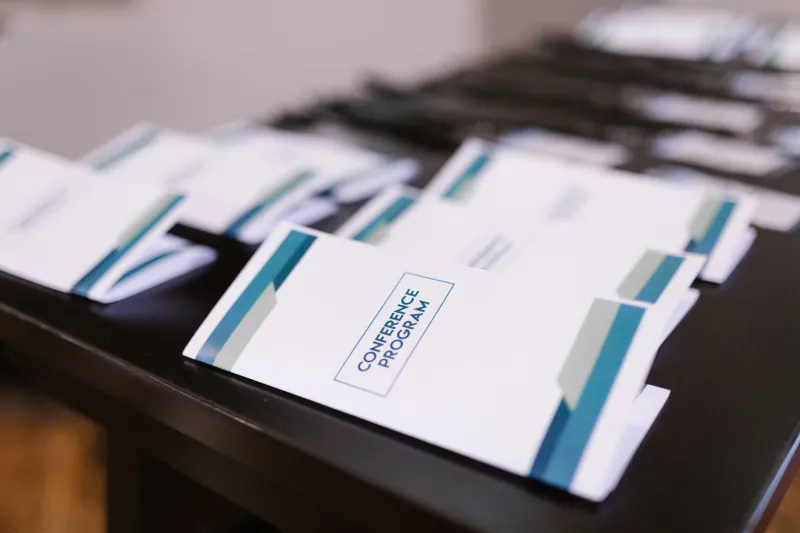
At the event, don't chase journalists. If you see someone with a press badge or a camera crew, make your booth look busy and interesting and let them come to you. Have a one-page handout ready with your project summary, your contact info, and a QR code linking to more information. Keep it simple and make it easy for them to follow up.
Social media is your best friend here. Tag the event, use the official hashtag, and post short videos of your demo during the day. Fairs often reshare exhibitor content, which can dramatically expand your reach beyond the people physically in the room.
What Judges and Organizers Actually Want to See
If you're entering a competition or applying for a featured exhibitor slot, it helps to understand what the people making those decisions are looking for.
Organizers want projects that are accessible and explainable—something that a curious 10-year-old and a curious 40-year-old can both connect with in different ways. They're also looking for originality over polish. A rough prototype of something genuinely new will almost always beat a beautifully finished version of something familiar.
Judges at competitive showcases typically care about three things: the idea itself, the maker's understanding of what they've built (can you answer hard questions?), and the potential for impact or further development. You don't need a finished product. You need a compelling vision and the chops to back it up.
After the Fair: Don't Let the Momentum Die
The fair ends, the tables get folded up, and most exhibitors go home and... don't follow up on any of the connections they made. Don't be that person.
Collect contact info throughout the day—a simple sign-up sheet or a QR code to a Google Form works fine. Within 48 hours of the event, send a short follow-up email to anyone who expressed serious interest. Reference your conversation specifically so it doesn't feel like a mass blast.
Post a recap on your social channels. Thank the organizers publicly. Share what you learned. The maker community is tight-knit, and being a good citizen of that community is how you get invited back, get recommended to other fairs, and build the kind of reputation that eventually turns a garage project into something bigger.
Because that's the thing about maker fairs—they're not just showcases. They're launching pads. Use them like one.