Everyone Belongs at the Build Table: Rethinking Maker Fairs for Creators of All Abilities
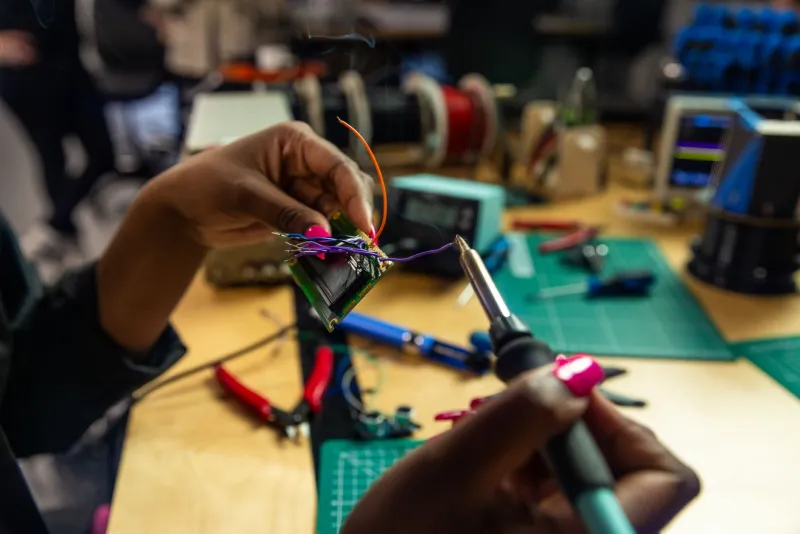
Walk into most maker fairs and you'll find something genuinely electric in the air — the smell of solder, the hum of 3D printers, tables overflowing with circuits and cardboard prototypes. It's a celebration of human ingenuity at its most raw and enthusiastic. But for a significant slice of the American population — the roughly one in four adults living with some form of disability — that electric atmosphere can come with a side of frustration, exclusion, or outright inaccessibility.
That's starting to change. Across the country, a growing wave of organizers, advocates, and makers themselves are pushing the community to practice what it preaches: if we can engineer solutions to complicated technical problems, we can absolutely engineer a fair that works for everyone.
The Gap Between Intention and Reality
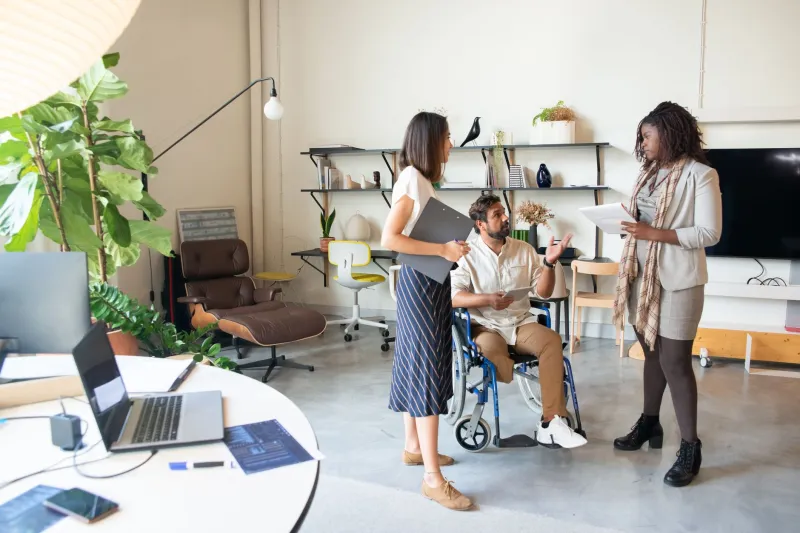
Most maker fair organizers genuinely want their events to be welcoming. The problem is that good intentions don't automatically translate into accessible design. Crowded booth layouts may technically comply with ADA aisle-width requirements but still create navigational nightmares for wheelchair users. Loud, echo-heavy warehouse venues can be overwhelming for autistic attendees or disorienting for people with auditory processing differences. Demonstration tables built for standing adults become inaccessible the moment someone rolls up in a chair.
"The maker community talks a lot about iteration," says one accessibility advocate who consults with event organizers in the Pacific Northwest. "You prototype, you test, you adjust. We just need organizers to apply that same mindset to the event experience itself — test it with disabled attendees and then actually iterate."
That framing resonates. Maker culture is fundamentally about problem-solving, which means the tools for fixing accessibility gaps are already baked into the community's DNA.
Designing Spaces That Actually Work
Physical layout is the first place most organizers need to audit. The checklist goes beyond just wide aisles. Think about surface textures — smooth, firm flooring is dramatically easier for wheelchair and mobility aid users than the gravel or uneven ground common at outdoor events. Consider the height of demonstration surfaces; adjustable-height tables or tiered displays let both seated and standing visitors engage with projects equally.
Lighting matters more than most people realize. High-contrast signage and well-lit pathways benefit low-vision attendees, while avoiding strobing or rapidly flashing displays is a basic courtesy to people with photosensitive epilepsy or migraine conditions.
Some of the most thoughtful events are now designating quiet zones — lower-stimulation areas away from the main floor buzz where neurodivergent attendees, anxious kids, or anyone who needs a sensory break can decompress and recharge. These spaces don't require huge budgets; a curtained-off corner with some seating and lower noise levels can make a meaningful difference.
Adaptive Tools and Demonstrations
The maker community is also producing some remarkable adaptive technology that deserves a spotlight at fairs — and that technology is increasingly being used to make the fairs themselves more accessible.
ASL interpretation is an obvious starting point for workshops and stage presentations, but some events are going further with real-time captioning projected on secondary screens near demonstration areas. For blind and low-vision attendees, tactile models and audio descriptions of projects can transform a visual-heavy exhibit into a fully engaging experience.
On the maker side, adaptive tools like mouth-controlled design software, switch-accessible fabrication equipment, and voice-commanded CAD programs are opening up hands-on making to people with limited motor control. Showcasing these tools at fairs serves a dual purpose: it demonstrates the technology to people who might benefit from it, and it signals loudly that this is a community that values diverse ways of creating.
Several makerspaces around the country — including some affiliated with community colleges and public libraries — have started lending adaptive equipment for use during fair events, so attendees can try tools they might not otherwise encounter.
Learning from Forward-Thinking Events
A few events are already modeling what genuine inclusion can look like. Some regional maker fairs have partnered with local disability advocacy organizations during the planning process — not as a box-checking exercise, but as a genuine design collaboration. The result tends to be events where accommodations feel integrated rather than bolted on.
One recurring theme from these partnerships: involve disabled makers as exhibitors and presenters, not just as attendees. When someone who uses a power wheelchair is demonstrating their custom-built drone, or a deaf maker is teaching a soldering workshop with a certified interpreter, it shifts the entire framing of who belongs in the maker community.
Communication before the event is equally important. Detailed accessibility guides published on event websites — covering parking, restroom locations, quiet zones, interpretation services, and what to expect in terms of noise and crowd levels — allow attendees to plan their experience and arrive with confidence rather than uncertainty.
Actionable Steps for Organizers
If you're planning a maker fair and want to genuinely move the needle on accessibility, here's a practical starting point:
Do an access audit before you open registration. Walk the venue with a wheelchair. Try navigating with your eyes closed. Bring in a disabled community member to consult — and pay them for their time.
Build accessibility into your budget from day one. Interpretation services, accessible signage, and quiet zones cost money. Treating them as line items rather than afterthoughts means they actually happen.
Train your volunteers. Knowing how to assist a wheelchair user, how to communicate with a deaf attendee, or how to support someone experiencing sensory overload can transform someone's experience at your event.
Gather feedback and publish it. Ask attendees specifically about accessibility, share what you heard, and tell your community what you're changing next year. That transparency builds trust.
The Bigger Picture
Maker fairs are, at their core, celebrations of human potential — the idea that with the right tools and a little creative stubbornness, ordinary people can build extraordinary things. Disability doesn't diminish that potential. In fact, many of the most ingenious DIY innovations in history have come from people engineering solutions to their own accessibility challenges.
When maker fairs genuinely open their doors to creators of all abilities, they don't just become more equitable. They become more interesting, more innovative, and more true to the spirit that makes this community worth celebrating in the first place. The build table is big enough for everyone — we just have to make sure everyone can actually pull up a chair.