Put Down the Phone: Why Getting Your Hands Dirty Together Beats the Algorithm Every Time
Somewhere between the third hour of scrolling and the moment you realize you've watched seventeen videos about a hobby you'll never actually try, something quietly happens: you feel worse. Not dramatically worse, just a little hollower. A little more alone. It's a feeling a lot of us know well, and it turns out there's a pretty compelling antidote — one that involves a soldering iron, a folding table, and a few other people who are just as excited about building stuff as you are.
Maker fairs and community workshops aren't just fun events. They're genuinely good for people. And in communities where that infrastructure doesn't exist yet, building it from the ground up is more doable than you might think.
What Your Brain Gets Out of Making Together
Let's talk about the psychology for a second, because it's worth understanding why this stuff works.
Hands-on creative work activates parts of the brain that passive consumption simply doesn't reach. When you're problem-solving with physical materials — figuring out why a circuit isn't closing, adjusting a joint on a wooden frame, calibrating a 3D printer — you're engaging in what researchers sometimes call "flow," that absorbed, fully-present mental state where time disappears and anxiety quiets down. It's hard to doom-scroll your way into flow. It's pretty easy to get there when you're elbow-deep in a project.
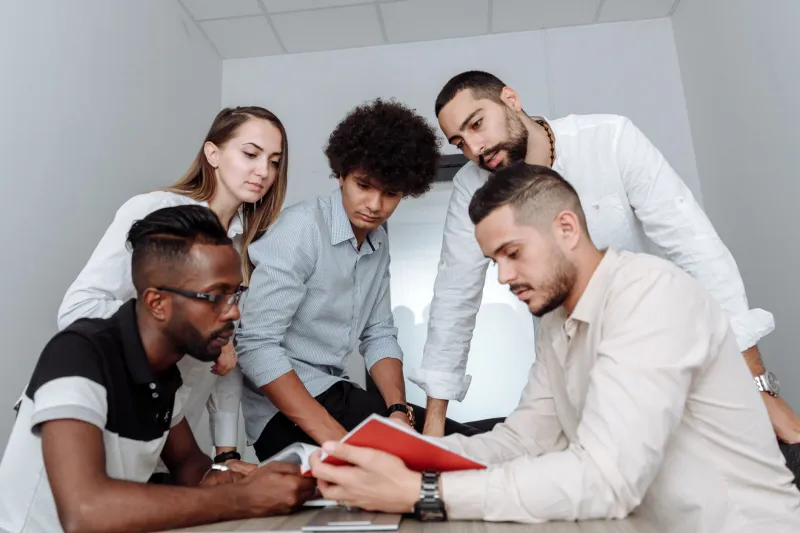
Now add other people to that equation. Collaboration amplifies everything. Shared problem-solving builds what social scientists call "transactive memory" — basically, a group brain where each person holds expertise the others can draw on. In a maker context, that's the person who knows electronics helping the person who knows woodworking, who's helping the person who knows textiles, and all of them building something none of them could have built alone. That dynamic creates belonging in a way that group chats and comment sections genuinely can't replicate.
There's also something important about physical presence and shared space. Sitting next to someone while you both work on different projects, occasionally glancing over, asking questions, offering suggestions — that low-key parallel collaboration is deeply social in a way that feels effortless. It's the maker equivalent of sitting at the same kitchen table.
Why Maker Fairs Hit Different
Regular meetups and workshops build community over time, but maker fairs do something distinct: they create moments of visibility and celebration that energize the whole ecosystem.
When someone who's been quietly building in their garage for six months brings their project to a fair and watches strangers stop, stare, and ask questions — that's validating in a way that no number of Instagram likes can match. It's real. The curiosity is genuine. The feedback is immediate and human. That experience has a way of turning casual hobbyists into committed makers, and committed makers into people who bring others along.
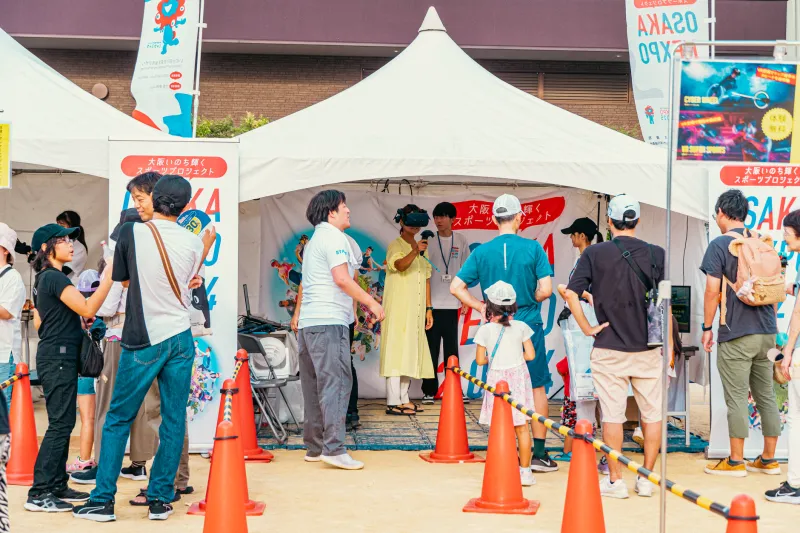
Maker fairs also lower the barrier to entry for newcomers. Walking into a space where people are actively demonstrating and explaining their work is a lot less intimidating than trying to learn from YouTube videos alone. You can ask questions. You can touch things. You can find your people.
Starting From Zero: A Practical Roadmap
So what do you do if you live somewhere without an established maker fair scene, a hackerspace, or even a well-stocked library makerspace? You build one. Here's how.
Start Embarrassingly Small
The biggest mistake first-time community builders make is waiting until they have a venue, a budget, and a proper event structure. Don't wait. Start with five people and somebody's living room. Announce a "bring your current project" night with no agenda other than showing up and working on stuff together. Post it in local Facebook groups, Nextdoor, Reddit's local subreddits, and any community boards you can find. You will be surprised who shows up.
Use Existing Spaces Creatively
You don't need a dedicated facility to run a maker community. Libraries are often eager partners — many already have or want programming around making and STEM, and they have space, foot traffic, and community trust built in. Coffee shops with big tables, church fellowship halls, school cafeterias after hours, park district meeting rooms — all of these work. The key is consistency. Same place, same time, every week or every two weeks. Regularity builds habit, and habit builds community.
Give It a Low-Stakes Name and Identity
You don't need to incorporate, build a website, or print t-shirts on day one. But giving your gathering a simple name — even something like "[Your Town] Makers Night" — makes it easier to spread by word of mouth and gives people something to identify with. A free Meetup.com page or a simple Facebook group is plenty of infrastructure to start.
Pull in the Builders Who Are Already There
Every community has makers who are already active but isolated — the woodworker in the garage, the electronics tinkerer, the person who sews and does leatherwork, the high school kid who builds robots. They're not hard to find if you look. Local Facebook groups, Nextdoor posts, and conversations with librarians and teachers will surface them quickly. These people become your core, and their enthusiasm is contagious.
Plan Your First Pop-Up Event
Once you've got a regular meetup running, even a small one, start thinking about a public-facing pop-up. It doesn't have to be elaborate. A few tables at a local farmers market, a demo day at the library, a mini-showcase at a school — any of these can serve as your community's first moment of visibility. Document it. Post photos. Tell the story of who showed up and what they built. That documentation becomes the foundation of your community's identity and your pitch for future partnerships and venues.
Don't Underestimate the Kids
If you want a maker community to grow roots, get kids involved early. Parents follow their kids' interests, schools become potential partners, and young makers bring energy that's genuinely infectious. Even one workshop designed for middle schoolers — basic electronics, simple woodworking, intro to 3D printing — can dramatically expand the reach and staying power of what you're building.
The Thing the Algorithm Can't Give You
At the end of the day, maker fairs and community workshops offer something that no platform, no feed, and no comment section can fully replicate: the feeling of making something real, with real people, in a real place. That's not nostalgia talking. It's just true.
In a culture that's increasingly mediated by screens, the act of gathering around a table with tools and materials and genuine curiosity is quietly radical. It's also just really, really fun. And that's reason enough to start.