City Hall vs. The Build Table: What Happens When Bureaucracy Shuts Down Your Maker Fair
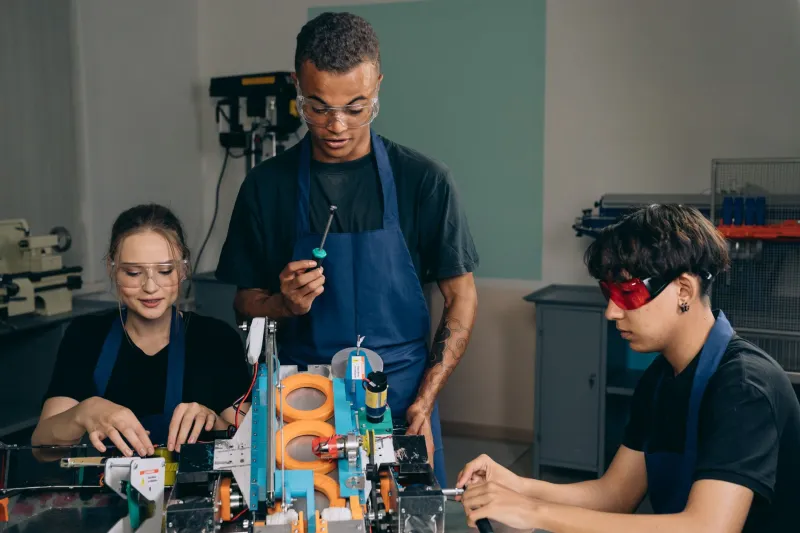
Nobody starts a maker fair because they love filling out forms. They start one because they want to see a ten-year-old's jaw drop when a robot moves across a table, or watch a retired engineer teach a teenager how to solder for the first time. The event itself is the easy part. Getting permission to hold it? That's where things get complicated.
Across the United States, a quiet but growing conflict is playing out between grassroots event organizers and the municipal systems they have to navigate just to set up a few folding tables and plug in some power strips. Permits, liability insurance, noise ordinances, fire codes, zoning restrictions — the list of requirements can feel less like public safety and more like a bureaucratic obstacle course designed to exhaust anyone who doesn't have a lawyer on retainer.
The Paper Chase Nobody Talks About
Ask any veteran maker fair organizer what keeps them up at night and they'll probably skip past the budget anxiety and go straight to permitting. In cities like Chicago, Austin, and Portland — all places with thriving maker cultures — the process of securing public space for a community event has become increasingly complicated over the past decade.
The reasons are layered. Post-pandemic, many municipalities updated their event guidelines, adding new insurance thresholds, crowd capacity rules, and vendor compliance requirements. What used to be a two-page application for a park permit in some cities has ballooned into a multi-department approval process that can take months.
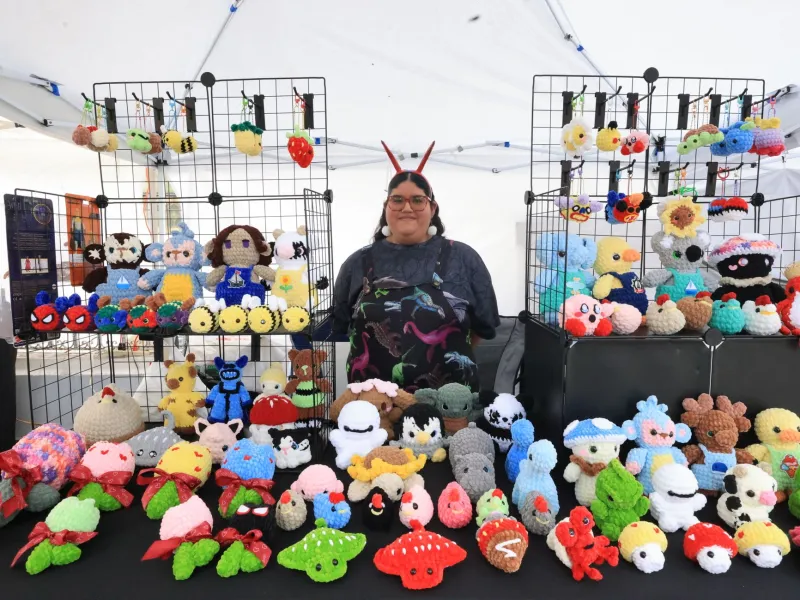
For smaller, volunteer-run events, that timeline is a dealbreaker. Most maker fairs aren't backed by corporate sponsors with legal teams. They're run by a handful of passionate people who also have day jobs. When the city of one mid-sized Midwest town told a local organizer she needed $2 million in general liability coverage and a separate certificate for each of her 40 exhibitors, she didn't fight it. She moved the event to a private warehouse and charged admission for the first time. Attendance dropped by a third.
When Organizers Push Back
Not everyone walks away quietly. In several documented cases, maker fair organizers have gone back to city officials armed with data — economic impact studies, attendance numbers, letters from local schools and libraries — and actually won.
One organizer in the Pacific Northwest spent eight months in back-and-forth negotiations with her city's parks department after her annual event was denied a renewal over updated noise regulations. She brought city council members to a smaller pop-up version of the fair, let them watch kids build circuits and adults demo hand-turned woodwork, and eventually got a variance approved. The fair ran. But she'll tell you the fight cost her more than the event itself ever made.
That story is more common than it sounds. The maker community has a long tradition of creative problem-solving, and some organizers have started applying that same energy to the bureaucratic side of things. They're building relationships with city liaisons before they need them, attending public meetings, and framing maker fairs not as quirky hobbyist gatherings but as legitimate economic and educational assets.
It works — sometimes. But it requires a level of political savvy that many organizers didn't sign up for.
The Relocation Effect
When a city becomes too difficult to work with, events move. That sounds simple, but the ripple effects are real. A maker fair that relocates from a downtown park to a suburban fairground loses foot traffic, casual attendees, and — critically — the visibility that makes it a civic event rather than a niche gathering.
Some events have crossed county lines entirely. Others have shifted from annual to biennial schedules just to recover from one bad permitting cycle. A few have gone fully private, partnering with universities, tech companies, or museums that can absorb the insurance and compliance costs in exchange for co-branding rights. That's not necessarily a bad outcome, but it does change the character of the event.
The most troubling cases are the ones that just stop. Events that existed for five or ten years, that had genuine community roots, that were building something real — gone, not because the organizers ran out of passion, but because they ran out of patience with a system that wasn't built with them in mind.
What Communities Actually Lose
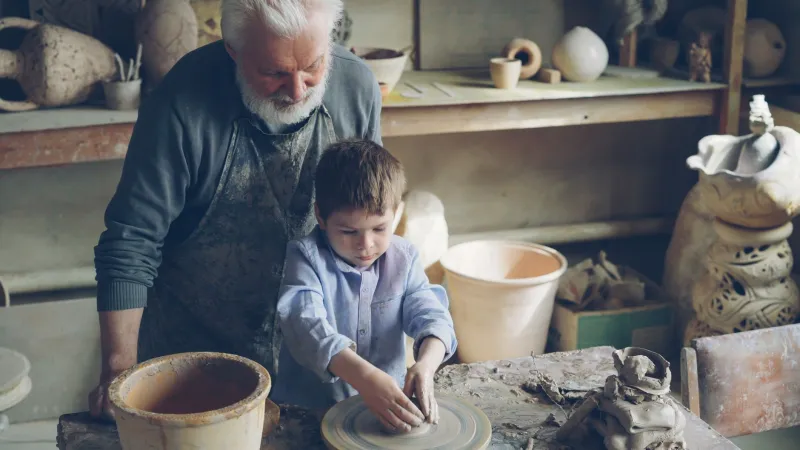
It's worth being specific about what disappears when a maker fair dies. It's not just a weekend event. It's often the only public venue where a kid from a school without a robotics budget gets to see what robotics actually looks like. It's where a first-generation entrepreneur tests whether their product idea has legs before investing in a proper launch. It's where retired engineers and twenty-something coders end up at the same table, arguing about the best way to solve a problem, and both walking away with something new.
That kind of informal, cross-generational, cross-skill knowledge transfer doesn't happen on YouTube. It happens in person, in a gym or a parking lot or a park, when someone walks up to a table and says, "how does that work?"
Cities that make it too hard to run these events aren't just inconveniencing organizers. They're opting out of a particular kind of civic infrastructure — one that's harder to quantify than a new road or a tax incentive package, but just as real.
Building a Better Path Forward
The organizers who've navigated this most successfully tend to share a few traits. They document everything — not just for compliance, but to build a case for the event's value over time. They cultivate allies inside city government, not to game the system, but to make sure someone in the room understands what they're actually trying to do. And they connect with other organizers, sharing permitting templates, insurance contacts, and hard-won institutional knowledge.
There's also a growing conversation about advocacy at the policy level — pushing cities to create dedicated "community innovation event" permit categories with streamlined requirements for non-commercial, educational gatherings. A few cities have already moved in this direction. More should.
The people running maker fairs aren't asking for special treatment. They're asking for a process that doesn't assume the worst about a community trying to do something good. That shouldn't be a radical request. But right now, in too many places, it still is.