The Invisible Crew: Meet the People Who Make Maker Fairs Actually Work
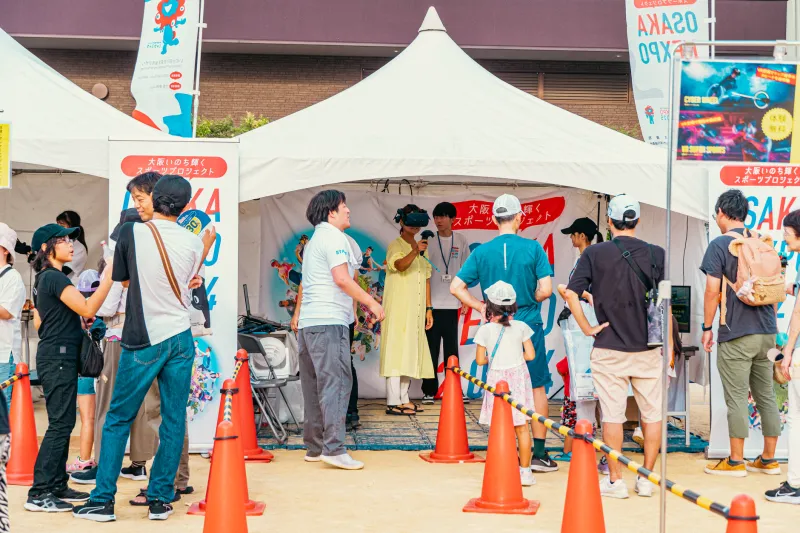
Walk into any maker fair on a Saturday morning and you're immediately hit with sensory overload — the whir of servo motors, the smell of solder, a kid absolutely losing her mind over a homemade hovercraft. It's electric. It's inspiring. And it looks, from the outside, like it all just happened.
It didn't.
Behind every successful maker fair is a sprawling web of roles that most attendees never think about, never see, and honestly might not even know exist. These aren't the people with the cool booths. They're the people who made sure those booths had power, got set up on time, and didn't block the fire exits. And without them? The whole thing collapses.
Let's give credit where it's genuinely due.
The Logistics Coordinator: The Person Holding the Map Nobody Else Has
If a maker fair were a body, the logistics coordinator would be the nervous system. They're the ones who know that Booth 14 needs a 20-amp circuit, that the laser cutter demo can't be next to the open flame station, and that the loading dock is only accessible from the east entrance before 8 a.m.
This role is part spreadsheet wizard, part spatial thinker, part crisis negotiator. Weeks before the event opens, logistics coordinators are corresponding with venue managers, mapping out floor plans, coordinating equipment drop-offs, and building contingency plans for when — not if — something goes sideways. On event day, they're typically the first ones in and the last ones out.
For community-run fairs, this role often falls to one overextended volunteer who's also doing three other jobs. Recognizing logistics coordination as a distinct, valued position — and ideally compensating it — is something the maker community is still catching up on.
The Volunteer Wrangler: Herding Cats with Genuine Enthusiasm
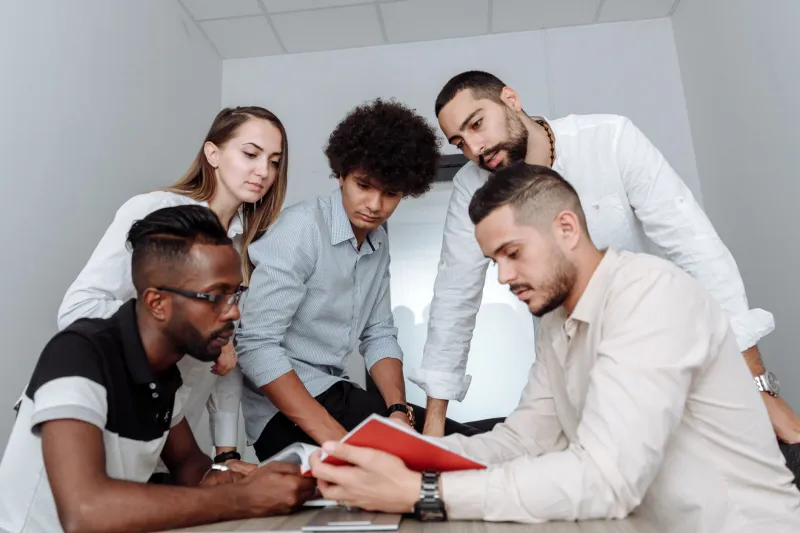
Maker fairs run on volunteer labor. That's just the reality. But volunteers don't manage themselves, and a disorganized volunteer corps is worse than a small one. Enter the volunteer coordinator, or as some organizers affectionately call the role: the wrangler.
A good wrangler recruits volunteers months out, matches skills to tasks, runs orientation sessions, builds the day-of schedule, and handles the inevitable no-shows with grace and a backup plan. They're also the person who keeps morale up when someone's been standing at the entrance gate for three hours and their feet hurt.
What makes this role tricky is that it requires genuine people skills layered on top of serious organizational chops. You're not just filling slots on a spreadsheet — you're building a temporary community of people who are giving their time for free and need to feel like it matters. The best volunteer coordinators understand that a good volunteer experience today means those same people come back next year.
The Accessibility Specialist: Making Sure Everyone Actually Gets In the Door
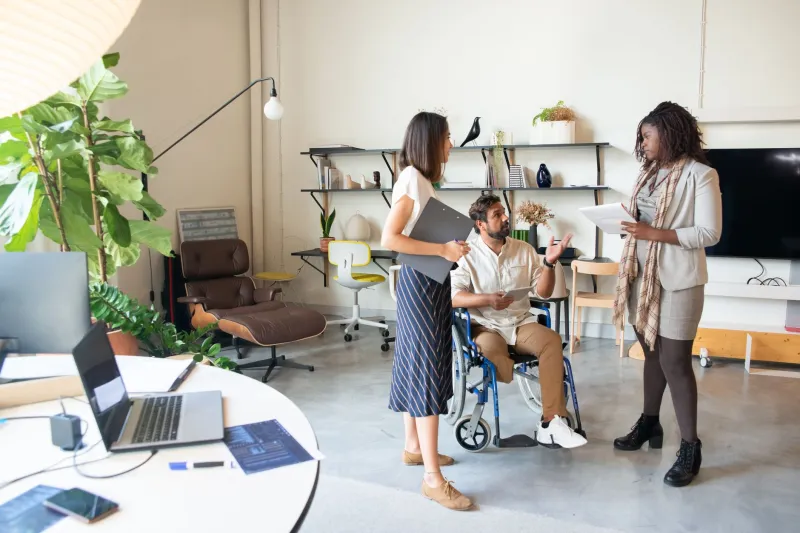
This one might be the most critically undervalued role in the entire maker fair ecosystem. An accessibility specialist — sometimes called an inclusion coordinator — is responsible for ensuring the event is genuinely usable by people with disabilities, not just technically compliant with ADA minimums.
That distinction matters more than most organizers realize. There's a significant gap between "we have a ramp" and "we've thought carefully about how a wheelchair user navigates this space, how a deaf attendee gets information, and how a child with sensory sensitivities can still participate meaningfully."
Accessibility specialists audit venues, advise on booth layout, coordinate sign language interpretation, develop sensory-friendly event hours, and serve as a point of contact for attendees who need accommodations. At larger fairs, this is a full-time pre-event job. At smaller community events, it's often an afterthought — which is exactly why the role needs to be elevated, not minimized.
The maker movement talks a big game about inclusion. The accessibility specialist is the person who turns that talk into actual practice.
The Vendor Liaison: The Human Buffer Between Chaos and Commerce
Every exhibitor who shows up at a maker fair has questions, requests, complaints, and the occasional meltdown. The vendor liaison is the person they're supposed to direct all of that toward — and who has to respond with patience, clarity, and solutions.
Before the event, vendor liaisons handle applications, communicate requirements, confirm registrations, and answer the same ten questions about booth sizes roughly four hundred times. During the event, they're walking the floor, checking in with exhibitors, and solving problems in real time: the table that didn't show up, the extension cord that's three feet too short, the neighboring booth whose demo is drowning out everyone else.
A strong vendor liaison creates an experience where exhibitors feel supported rather than abandoned. That matters enormously for retention — makers who have a good experience are far more likely to come back the following year, and word travels fast in maker communities.
The Safety Officer: The Least Glamorous Job That Matters Most
Maker fairs involve power tools, open flames, high-voltage electronics, pneumatic systems, and occasionally things that go boom on purpose. The safety officer is the person responsible for making sure none of that results in an incident.
This role requires actual expertise — fire safety regulations, electrical codes, first aid protocols, crowd management basics. Safety officers conduct pre-event walkthroughs, flag potential hazards, work with exhibitors to bring their setups into compliance, and coordinate with local emergency services when the event warrants it.
It's not a fun role in the traditional sense. Nobody's going to stop you in the parking lot and say "wow, great job making sure that Tesla coil demo had proper grounding." But the absence of a safety incident is the success. The invisible win is the whole point.
The Documentation Crew: Turning One Day Into Lasting Impact
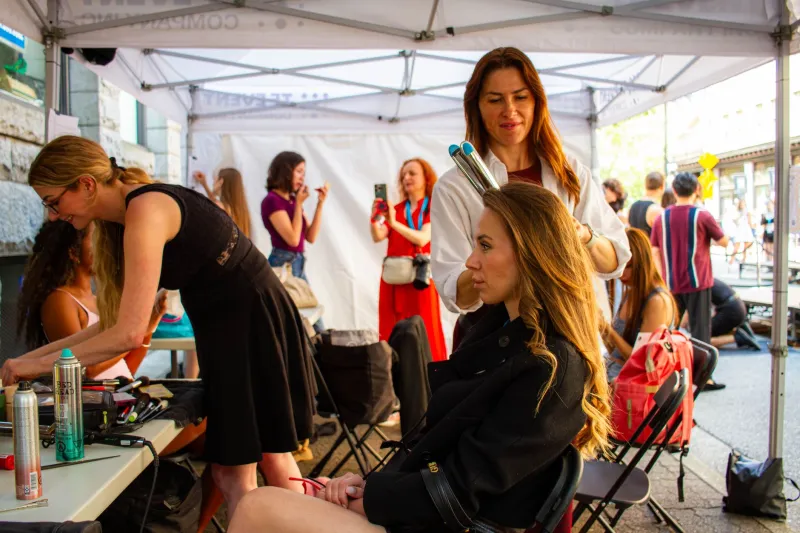
Photographers, videographers, social media coordinators, and content creators might seem like nice-to-haves, but they serve a function that extends far beyond the event itself. Good documentation is how a local maker fair builds its reputation, attracts sponsors, and recruits exhibitors for next year.
More importantly, documentation is how the stories of makers — especially first-timers, young creators, and underrepresented builders — get told and preserved. A kid who shows up with her first Arduino project and ends up in a photo that gets shared across the maker community? That moment can shape a trajectory.
Documentation crews need direction, access, and coordination with exhibitors who may or may not want to be photographed. Managing that thoughtfully is its own logistical challenge.
Why This All Matters for the Future of Making
The maker movement has always celebrated the builder, the tinkerer, the inventor. That's right and good. But movements that only celebrate the visible output — the finished project, the polished demo — end up with a blind spot.
The infrastructure of a maker fair is itself a creative and collaborative achievement. The person who figures out how to run power to 60 booths in a venue that was built in 1978 is solving a real problem. The volunteer coordinator who builds a team of 40 strangers into a functional crew overnight is doing something genuinely impressive. The accessibility specialist who ensures a teenager using a power wheelchair can actually navigate the space and participate fully? That's the maker ethos in action.
If you're an organizer, start treating these roles with the same seriousness you treat your exhibitor lineup. Put them in your event programs. Thank them publicly. Pay them when you can.
And if you're an attendee, next time you're at a faire and everything just seems to work — the lines move, the power stays on, the demos run on schedule — take a second to appreciate the invisible crew that made it happen.
They built something too. It just doesn't have a booth.