The One-Person Workshop: How Solo Makers Stay Connected Without Giving Up Their Solitude
There's a version of maker culture that gets a lot of airtime: the communal makerspace with laser cutters humming and strangers trading tips over shared workbenches. It's a great version. It's real. But it's not the whole picture.
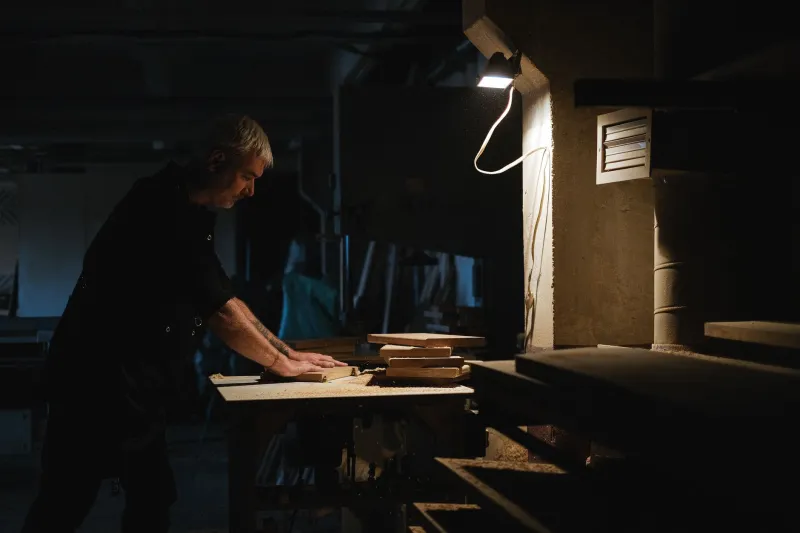
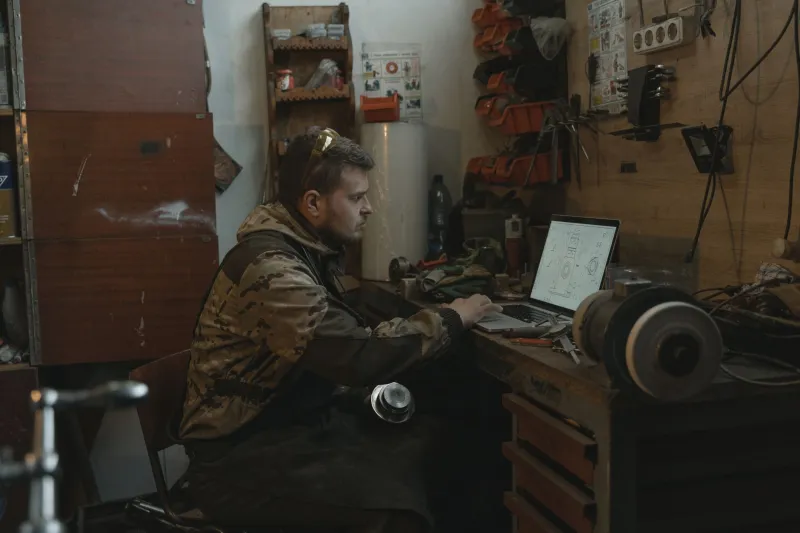
A significant chunk of the people who identify as makers — who build, tinker, prototype, and create — do it alone. In a basement at midnight. In a backyard shed on Saturday mornings. At a kitchen table surrounded by components while the rest of the house sleeps. They're not antisocial. They're not hobbyists who haven't found their people yet. They're independent operators who've built something that works for them, even if it doesn't look like the brochure.
The question worth asking is: what does community actually mean for someone who works alone? And are solo makers missing something essential — or have they quietly figured out a different way to belong?
Why Some Makers Work Alone
The reasons are as varied as the projects. Some people have schedules that don't fit neatly into organized group settings — night shift workers, caregivers, people in rural areas without a nearby makerspace. Others have tried the communal route and found it distracting, or discovered that their particular interests (say, restoring vintage scientific instruments, or building acoustic instruments from salvaged wood) don't map well onto the general programming of a shared space.
And some people just do their best work in quiet. That's not a personality flaw. Creative solitude has a long and legitimate history, and makers are no exception to it.
What gets more complicated is the isolation that can creep in alongside the solitude. Without regular feedback, it's easy to lose perspective on a project. Without peers, it's harder to stay motivated through the inevitable stuck phases. And without visibility — the kind that comes from showing up somewhere and having people see your work — it's easy to feel like what you're doing doesn't count.
The Online Layer That Actually Works
For a lot of solo makers, the internet isn't a consolation prize for not having a local community. It's the primary community, and it's been built with real intention.
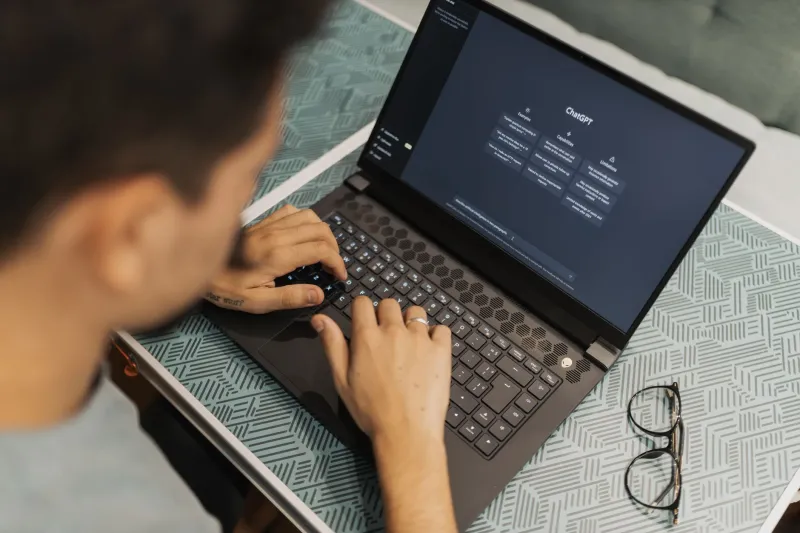
Platforms like Reddit's r/DIY and r/electronics, Discord servers organized around specific crafts or tools, and niche forums dedicated to everything from amateur radio to CNC woodworking have become genuinely functional spaces for technical feedback, encouragement, and the kind of casual conversation that keeps you going on a slow project.
What makes these spaces work — when they work — is specificity. A broad "maker" forum can feel anonymous. A Discord server for people who build mechanical keyboards, or a subreddit for hand-tool woodworkers, creates the kind of shared context that makes interactions feel meaningful. You're not talking to strangers. You're talking to people who understand exactly what you're trying to do and why it's hard.
Several solo makers have also found traction through long-form documentation — detailed build logs on personal sites or platforms like Hackaday.io — that attract an audience of people who are genuinely interested in the process, not just the finished product. The feedback loop that emerges from that kind of public documentation can be surprisingly rich, even if the creator never meets any of their readers in person.
Micro-Communities and the Art of the Small Gathering
Some solo makers have stopped waiting for a formal community to find them and started building their own — small, low-pressure, and built around a specific interest rather than a general maker identity.
Think: a monthly coffee meetup for three or four people who are all into amateur electronics. A biannual swap meet organized through a neighborhood Facebook group. A standing video call with two friends from different states who are all working on unrelated projects but use the shared time for accountability and conversation.
These micro-communities don't have memberships or bylaws. They're not trying to become anything bigger. They exist because a few people decided that showing their work to someone who gets it — even just occasionally — was worth the effort of organizing it.
Maker fairs play an interesting role in this ecosystem. For many solo makers, a regional fair is the once-or-twice-a-year moment when the online becomes physical — when they finally meet the person they've been trading comments with for two years, or when they get to put their project in front of strangers and see how it lands. The fair isn't their community. But it's a node in it.
Staying Motivated When Nobody's Watching
The hardest part of working alone isn't the technical problems. It's the motivational ones. Projects stall. Enthusiasm fades. Without external accountability, it's easy for something you care about to quietly slide off the priority list.
The solo makers who seem to navigate this best tend to have a few things in common. They set small, visible milestones — not "finish the project" but "get the motor mounted this weekend" — and they find ways to make those milestones public, even in a small way. Posting a photo to an online group. Texting a photo to a friend. Writing a quick update in a build log. The act of reporting progress, even to an audience of one, creates enough external accountability to keep things moving.
They also tend to be deliberate about consuming other people's work — watching build videos, reading project documentation, attending the occasional fair or workshop — not as a distraction from their own projects but as a way of staying connected to the larger world of making and reminding themselves why they started.
The Value of the Independent Path
There's something worth defending about the solo maker's approach to creativity. Working alone means you can follow a project wherever it goes without having to justify the detour to anyone. You can work at 2 a.m. or not at all for a week. You can build things that don't fit any category and don't have an obvious audience.
That kind of freedom produces some genuinely strange and interesting work — the kind that doesn't emerge from collaborative settings because collaboration, however valuable, also creates social pressure toward the legible and the practical.
The maker community is bigger and more varied than its most visible institutions suggest. The communal makerspace is one version of it. The solo workshop — connected, intentional, and stubbornly independent — is another. Both are real. Both matter. And the best fairs and maker events are the ones that make room for people who work alone to show up, share what they've built, and find out they're not as isolated as they thought.